Why Your Last Meal Shapes Your Next Breath?
Ask any pranayama teacher what happens when a student tries a long Kumbhaka hold right after lunch. They'll all say the same thing: it doesn't go well. The breath feels shallow. The hold feels forced. The whole practice feels like hard work, not ease. This isn't just in your head. There's a simple reason. Old yoga teachings knew this too — long before anyone had a word for the diaphragmKey Takeaways.
- A full, heavy meal limits how far your diaphragm can move. This is a real effect. You can feel it in just one practice session.
- Ayurveda explains this same link through Agni (digestive fire) and Prana (life force). This is a traditional idea, not a medical claim.
- A short study looked at 357 practitioners. It found a link between diet and breath. People who ate a sattvic diet and practiced yogic breathing had better health and wellbeing.
- What you eat before practice matters more than any "detox." Timing and light food are what really count.
- We teach this as a full part of our 200-hour yoga teacher training. It's not just a random tip..
The Physical Side: Diaphragm Space and Digestion
The diaphragm sits just above the stomach. When you inhale, it moves down. This makes room for your lungs to expand. But if your stomach is full, there's less room. This is worse after fried or heavy food. Try this: take a few full yogic breaths right after a big meal. Then try again on a lighter stomach. Most people feel the difference within a breath or two. The inhale feels shallow. The exhale feels incomplete. Holding the breath feels much harder.
This is why most yoga schools have a simple rule: wait 2 to 3 hours after a full meal before serious breathwork. It's also why morning practice is so common. In the morning, your stomach is empty. That's the best time to learn pranayama.
The Traditional Side: Agni Meets Prana
Ayurveda offers another way to see this. This idea is very old — older than modern anatomy. Agni is the digestive fire. It's the body's main energy source. Agni turns food into fuel the body can use. Prana is the life force we build through pranayama. Prana has its own energy budget. But it's closely tied to Agni.
An old text called the Hatha Yoga Pradipika makes this same link. It says a calm mind helps strong pranayama practice. This isn't a modern wellness trend. It's a very old teaching.
Together, the anatomy and the tradition point to the same advice. That's why both are worth understanding. You don't have to pick just one.
What Recent Research Actually Shows
A 2026 study looked at 357 practitioners. Two things stood out. People who ate a sattvic diet did better. People who practiced yogic breathing did better too — in both body and mind. Other research looked at pranayama alone. It found pranayama may improve lung function. This was true mostly for people who already do sports like running. No study says a diet changes your body in just a few days. But the studies agree on one thing: diet and breathwork support each other over time.
Sattvic, Rajasic, and Tamasic Foods: A Practical Comparison
Quality | Examples | Effect Before Breathwork |
|---|---|---|
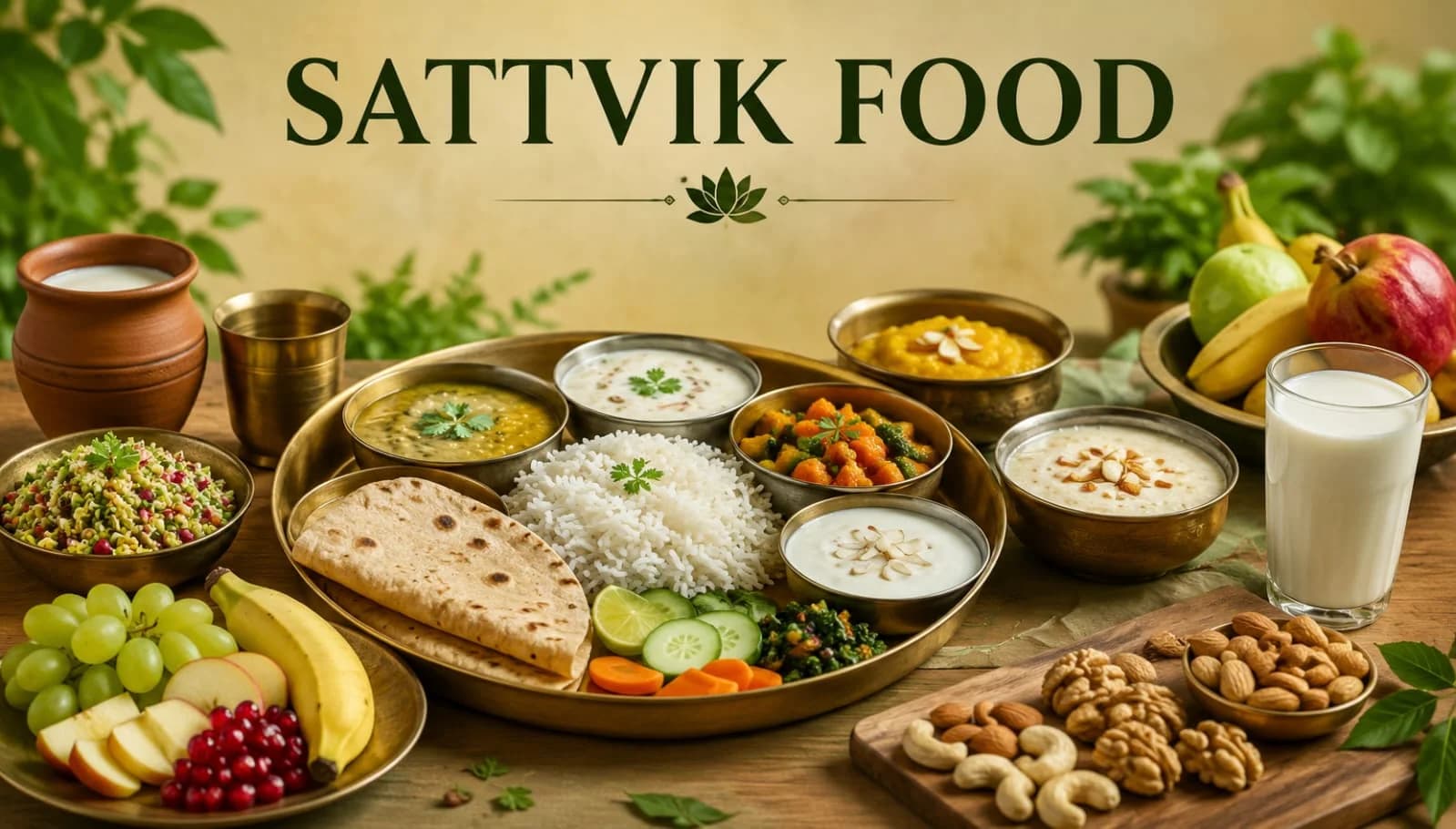
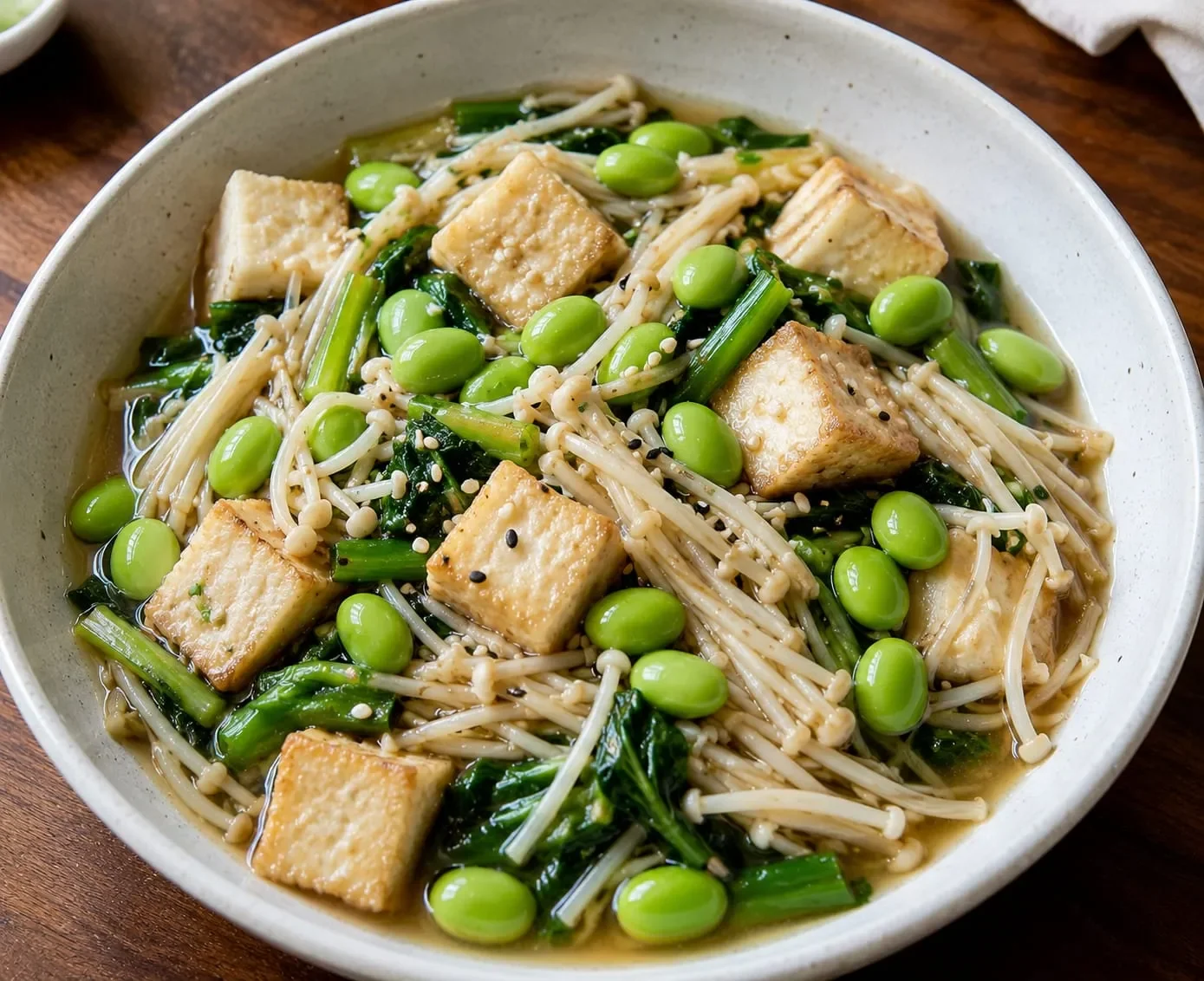
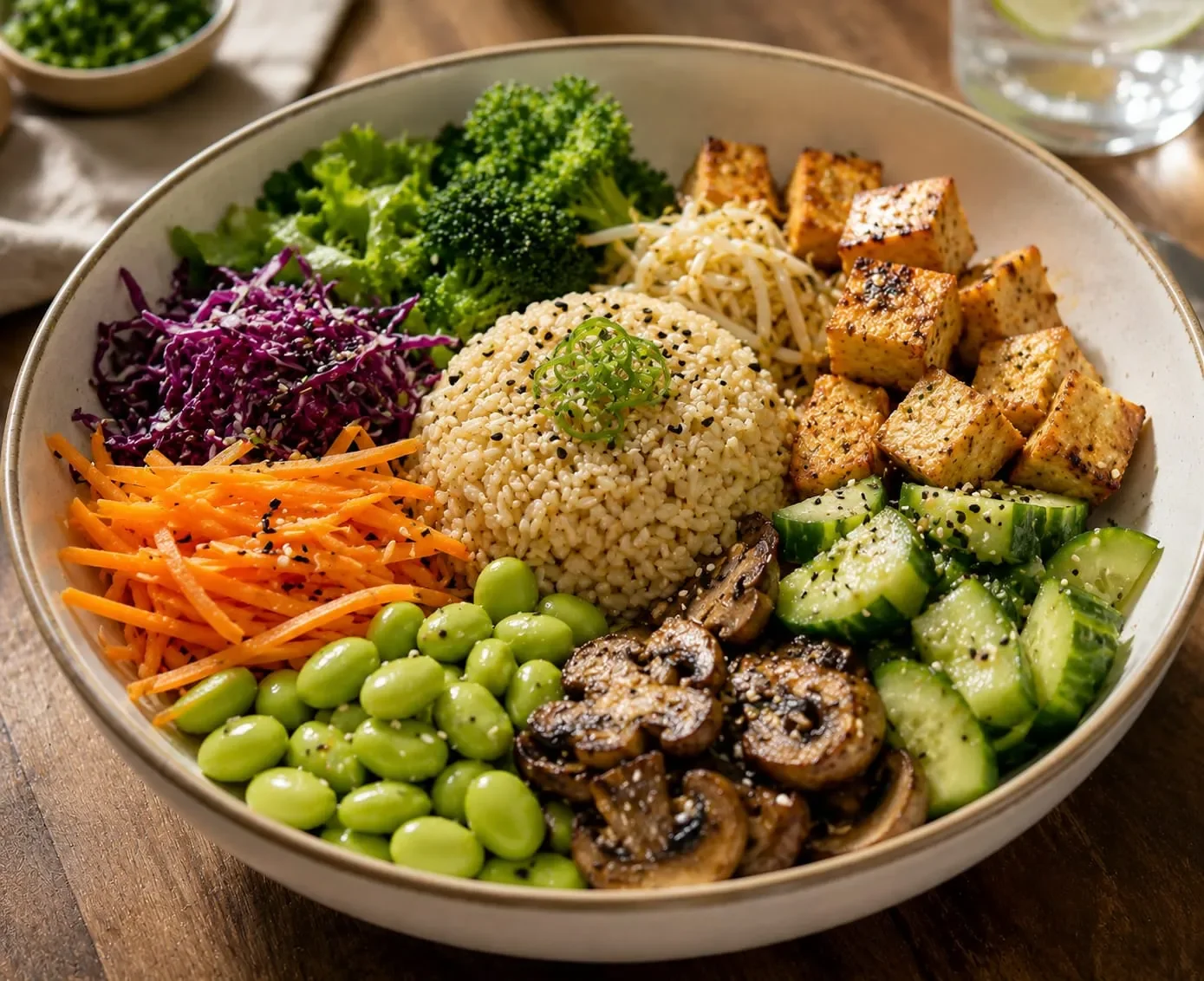
Sattvic (pure, light) | Fresh fruit, steamed vegetables, mung dal, rice, warm herbal tea | Minimal digestive load; supports longer, more comfortable retention |
Rajasic (stimulating) | Spicy food, coffee, garlic, onion in excess, fried food | Increases restlessness; often shortens comfortable retention |
Tamasic (heavy, dulling) | Processed food, leftovers, red meat, alcohol, excess sugar | Heaviest digestive load; most likely to crowd the diaphragm |
A Simple Pre-Practice Eating Guide
- 3+ hours before: A full sattvic meal is fine. Try rice, dal, seasonal vegetables, and a little ghee.
- 1–2 hours before: Keep it light — fruit, a small serving of soaked nuts, or herbal tea.
- 30–45 minutes before: Drink only water. Avoid caffeine — it speeds up your heart rate. That works against the calm you want from pranayama.
- Right before practice: If you're truly hungry, sip some warm water. This settles the stomach without adding digestive load.
Common Mistakes Beginners Make
- Practicing intense Kumbhaka right after a full meal. Give it at least 2–3 hours.
- Treating this as a strict diet. It's simple preparation, not permanent restriction. The goal is just a lighter stomach before practice.
- Skipping meals entirely. Being too hungry is just as distracting as being too full — aim for light, not empty.
- Ignoring hydration. Dehydration makes breathing feel harder too. People often mistake this for a digestion problem.
- Expecting big results overnight. The diaphragm-space effect happens right away. But comfort with longer holds takes weeks. It builds with steady practice, not one session.
Where This Fits Into a Fuller Practice
Breathwork doesn't happen on its own. It connects to the rest of your day. Good alignment helps your diaphragm move freely too. How you eat also connects to how you sleep. Our guides to Yogic Sleep and morning vs evening yoga both touch on this same topic.
This diet-breath link is part of a bigger picture too. Yoga Philosophy Patanjali describes eight limbs of yoga. Intense pranayama breathwork is just one limb. It's never separate from how you eat or live.
Curious about the energy side of breath and healing? Our Pranic Healing Guide covers both the old claims and the current evidence, honestly.
Bringing This into Bali
Many students pair light, sattvic eating with a traditional Balinese cleansing ceremony at one of Bali's sacred water temples. For centuries, this ritual has treated body and energy cleansing as one process, not two.
Frequently Asked Questions
Does eating light before yoga actually improve my breathing?
Yes, in the short term. An empty or light stomach gives your diaphragm more room to move. Most people notice this right away during practice.
How long should I wait after eating before practicing pranayama?
Most teachers suggest waiting 2 to 3 hours after a full meal. Wait 30 to 45 minutes after a light snack.
Is sattvic eating the same as vegetarian or vegan eating?
Not exactly. Sattvic eating shares a lot with vegetarian eating. But it's more about freshness and easy digestion. It's not just about avoiding animal products.
Do I need to eat this way permanently to benefit from pranayama?
No. Many people only eat this way during intense practice times, like a retreat or a training. It doesn't need to be a permanent change.
Will a sattvic diet permanently increase my lung capacity?
There's no real evidence that a short diet change permanently boosts lung capacity. What does change is diaphragm room in each session — a real, useful benefit on its own.
A Closing Note From the Mat
None of this needs mystical belief. Your diaphragm really is connected to your stomach. Your breath really does change with what and when you eat. Yogis knew this link long before anyone had the science words for it.
This is just one small piece of what we cover. Our Yoga Teacher Training in Bali goes much deeper. There, breath, food, and philosophy are taught as one system, not separate parts. Curious what a full 200-Hour YTT in Bali involves? Our yoga teacher training cost breakdown is a good place to start.
Vivek Kalura (MSc Yogic Science) teaches Pranayama and Ayurvedic Studies at Bali YTTC. Their background is in "Hatha Pranayama & Alignment ". They lead the breathwork and nutrition modules of the 200-hour teacher training in Bali
Visit Our Ubud Sanctuary
Written by R.K. Mandal
Senior Faculty & Cultural Scholar. Guiding students to connect mechanical adjustments with spiritual lineage under the tropical Ubud foliage.
Become a Certified Teacher
Study anatomy, philosophy, and alignment in our immersive Ubud programs.